
Why Your Body Holds Stress and How to Release It
Understanding How Stress Lives in the Body
We often think of stress as something “in our head,” but much of it is embodied. Chronic stress and anxiety are stored in muscles, joints, and organ systems, influencing posture, tension, breathing patterns, and even immune function.
This happens because the nervous system responds to perceived threats by activating the sympathetic system (fight or flight). When stress becomes chronic, the body can remain in a heightened state of alert, storing tension long after the initial trigger is gone.
Common manifestations include:
Tight shoulders, neck, or jaw
Shallow breathing or chest tightness
Stomach discomfort or digestive issues
Headaches or migraines
Restlessness, fidgeting, or difficulty relaxing
Understanding that tension is a protective adaptation helps reduce self-blame — your body is not broken, it’s trying to keep you safe.
Why the Body Holds Stress
Several factors contribute to chronic physical stress:
Cumulative Life Stressors
Daily pressures, work demands, or relational stress can build up, creating persistent tension.
Trauma and Past Experiences
Even subtle or “hidden” trauma can create habitual protective patterns in posture, movement, and muscle tone.
Postural Habits
Sitting hunched at a desk or tensing muscles unconsciously reinforces chronic stress patterns.
Emotional Suppression
Avoiding or suppressing emotions can lead to holding stress physically, as the body encodes unresolved experiences.
Nervous System Dysregulation
A body frequently in fight or flight or hypervigilant states has difficulty transitioning to rest and digest, locking in tension.
Science Explains It
Research in somatic psychology and neurophysiology shows that the body and mind are inseparable. Chronic tension affects:
Heart rate variability (HRV): Lower HRV indicates less parasympathetic activation and increased stress vulnerability.
Muscle tone and posture: Protective tension can impact comfort, range of motion, and energy levels.
Immune function: Chronic stress can impair immune response and increase inflammation.
Polyvagal Theory emphasizes that your body constantly communicates safety or danger to your brain. Releasing physical tension helps signal safety, reducing sympathetic activation and promoting emotional regulation.
Practical Strategies to Release Stress
Even small, consistent practices can help the body “let go” of stored tension:
Somatic Movement
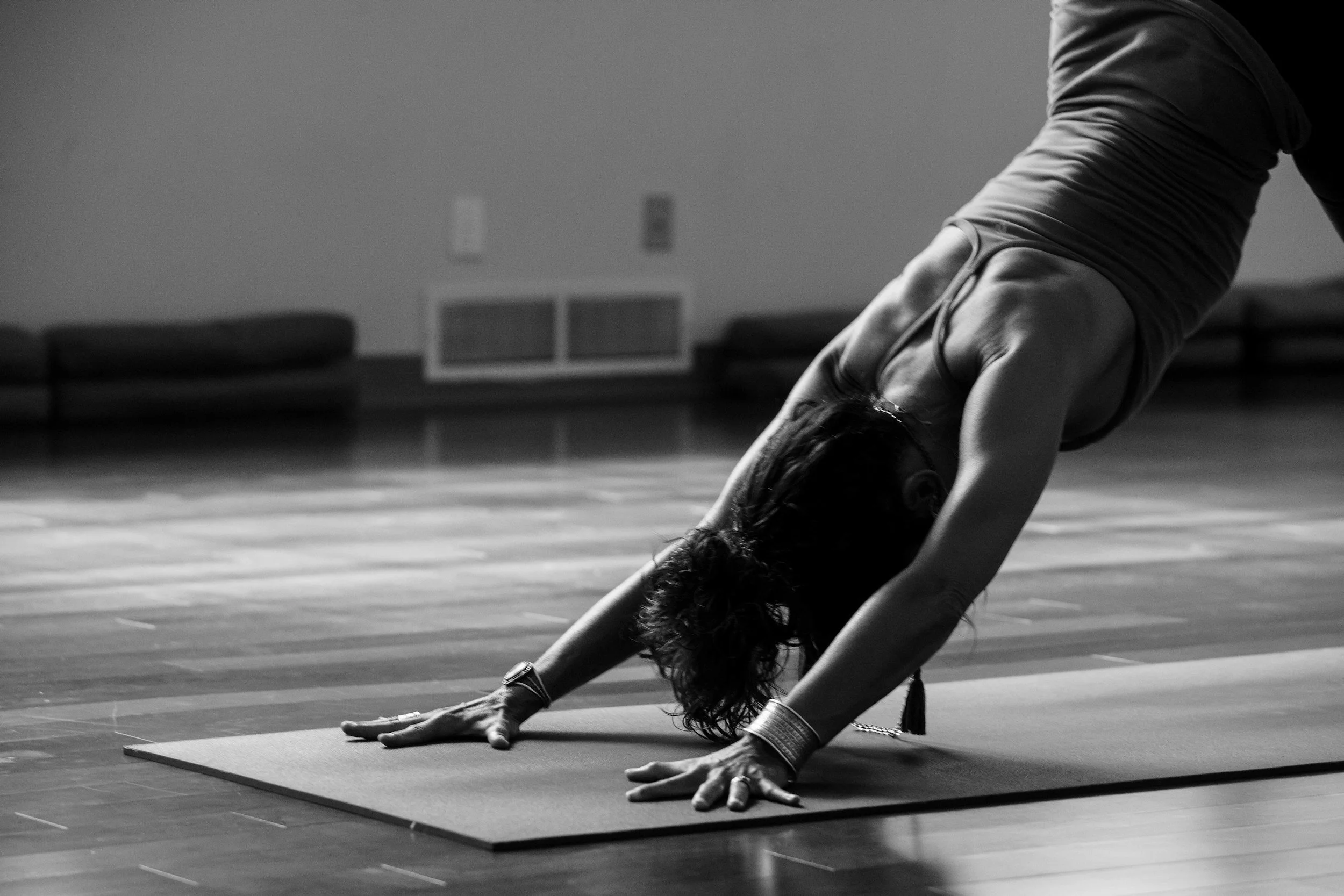
Gentle stretching, yoga, or mobility exercises release tight muscles and improve circulation.
Focus on slow, mindful movements rather than intensity.
Breathwork
Deep diaphragmatic breathing stimulates the parasympathetic nervous system.
Inhale for 4 counts, hold for 2, exhale for 6–8 counts.
Progressive Muscle Relaxation
Sequentially tense and release muscle groups to release habitual tension.
Body Scanning and Awareness
Notice where your body feels tight or heavy.
Label sensations without judgment and breathe into those areas.
Mindful Movement in Daily Life
Standing, walking, or even reaching during routine tasks with awareness supports nervous system regulation.
Creative Outlets
Movement-based activities like dance, drumming, or stretching can release emotional tension stored in the body.
Reflection Questions
Where in my body do I feel tension most frequently?
Which situations trigger physical stress responses?
How does my breathing change when I feel anxious or overwhelmed?
Which strategies help me release tension and feel grounded?
Answering these questions regularly can increase self-awareness and support lasting regulation.
Moving Toward Body-Based Balance
Your body is constantly trying to communicate what your nervous system needs. By noticing tension, practicing awareness, and experimenting with movement and breath, you create opportunities for recalibration.
Even virtually across Alberta, these strategies can be integrated into daily life — from home office stretches to guided breathing exercises — helping you release stress, improve energy, and restore emotional balance.
Understanding that stress is embodied empowers you to work with your body rather than against it, creating a sustainable foundation for calm, resilience, and self-compassion.