

What Does "Normal" Even Feel Like? Learning to Listen to Your Body
When did you last stop to notice what it feels like to simply be okay? Not thriving, not struggling — just at ease in your own body? For many of us, that reference point has gone quiet. We've learned to override the body's signals so consistently that we've lost the ability to hear them. This post is an invitation to start listening again — and to understand what your body might already be trying to tell you.

The Three Stages Your Body Goes Through Under Stress — And What Happens When It Can't Recover
When stress doesn't let up, the body doesn't just stay stressed — it moves through stages. Hans Selye's General Adaptation Syndrome maps exactly how this unfolds: alarm, resistance, and finally, exhaustion. Understanding these three phases explains why you can feel functional for a long time before suddenly hitting a wall — and what it actually takes to come back from it.

What Stress Really Is — Beyond What We Feel
We throw the word "stress" around constantly — but most of us have no idea what's actually happening inside the body when we feel it. Stress is a whole-system biological event, involving your adrenal glands, your brain, your immune system, and more. And it's not always obvious when it's happening. Understanding the science of stress is the first step toward building real resilience — not just managing symptoms.

Your Gut Is Talking — Are You Listening? The Science of the Gut-Emotion Connection
That feeling in your stomach before a hard conversation? It's not a metaphor — it's biology. The gut has its own nervous system, produces most of the body's serotonin, and sends more signals to the brain than the brain sends down to it. Understanding the gut-emotion connection changes how we think about mental health, stress, and what it means to care for the whole self.

What Is Depression? Beyond Sadness, Toward Understanding
Depression is one of the most common — and most misunderstood — experiences in mental health. It's not sadness. It's not a weakness. And it's not something you can simply think your way out of. In this post, we explore what depression actually is, what's happening in the brain and nervous system, and why compassionate, evidence-based support makes a real difference.

Trauma Doesn't Have to Be Dramatic to Be Real
Trauma doesn't require a headline. It doesn't require a single identifiable event or an experience that others would immediately recognize as serious. It can be the accumulated weight of not being seen, of chronic emotional neglect, of carrying someone else's pain for years. In this post, we expand the conversation about what trauma really is — including vicarious trauma — and why your experience deserves care, whatever it looked like.

Why Your Body Holds the Key: Understanding Somatic Therapy
For many people, talk therapy gets them to insight — but not all the way to change. That's because some of what we carry isn't stored in words. It lives in the body: in tension, in posture, in the way we breathe. Somatic therapy meets experience where it was actually held, and helps the nervous system do what it couldn't do before. Here's what it is, how it works, and who it's for.

What Is Anxiety, Really? Understanding the Experience Behind the Word
Anxiety isn't just in your head — it's in your heart rate, your breath, your gut, and your nervous system. Understanding what's actually happening when anxiety shows up can be one of the most grounding things you do for yourself. In this post, we break down the science, the patterns, and what anxiety is often trying to tell you. Plus — join us for our free 3-part Anxiety Unlocked lunch and learn series this season.
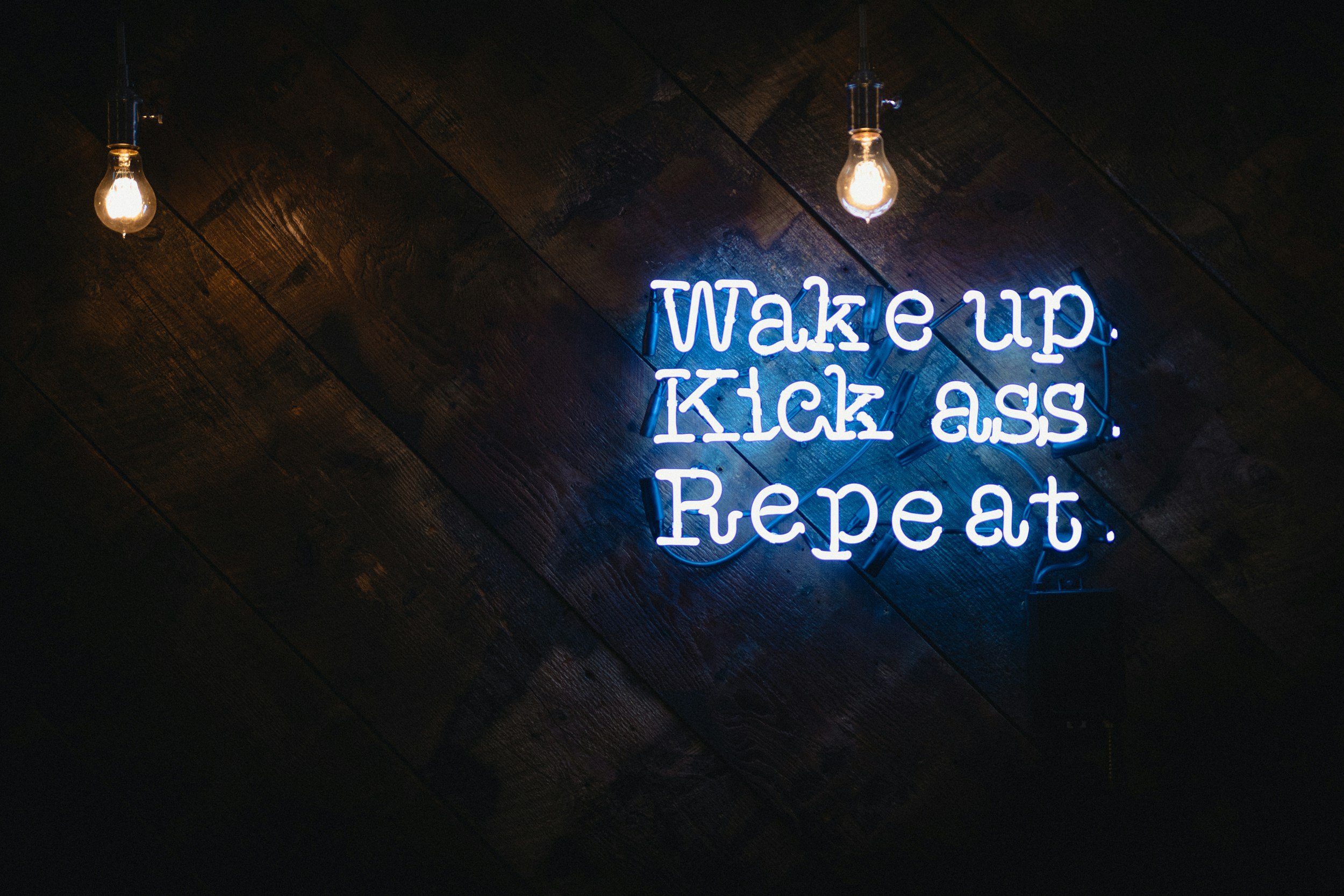
We've Confused Productivity With Worth - And Our Nervous Systems Are Paying For It
We've quietly learned to measure our worth in output. But when productivity becomes the primary lens through which we assign value to our time, taking care of ourselves gets pushed to the margins — and the nervous system pays the price. True self-care isn't a ten-minute routine. It's a lifestyle, a reorientation, a different relationship with yourself. Here's why that matters, and how we can actually begin.

Beyond Love Languages: Why Understanding Your Attachment Style is the Key to Connection
Beyond Love Languages: Why Understanding Your Attachment Style is the Key to Connection