
What To Do After A Car Accident in Ontario?
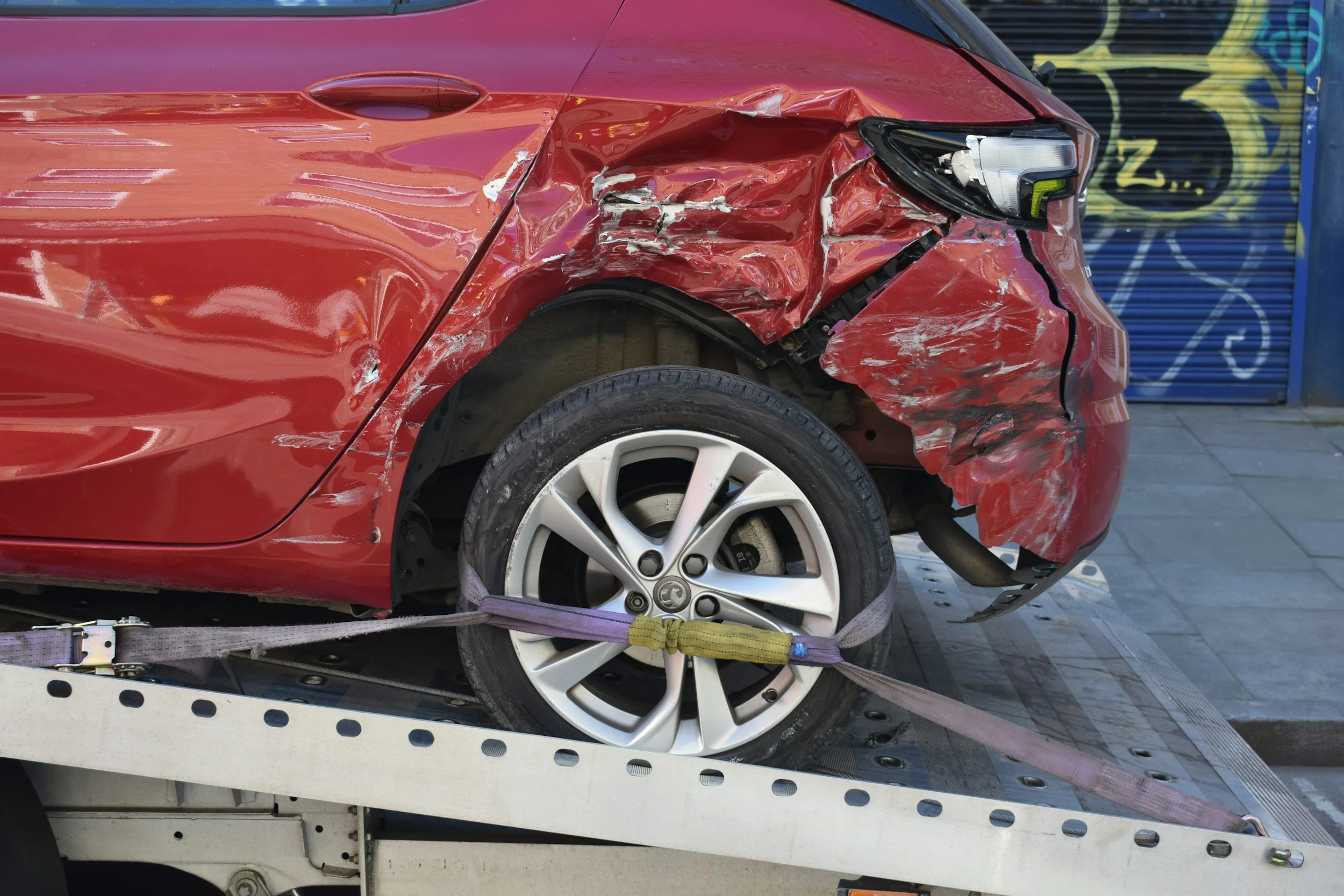
A Step-By-Step Guide for Drivers in Ontario
A car accident is overwhelming. You’re managing shock, pain, fear, insurance calls, and logistics — while your nervous system is still on high alert. Knowing what to do after a car accident in Ontario can make a huge difference in your recovery, both physically and psychologically.
At Perception Psychotherapy, we offer virtual MVA therapy for clients across Ontario, supporting emotional recovery, insurance navigation, and trauma processing. Our therapists are highly familiar with the Ontario MVA system, insurance requirements, and treatment documentation, ensuring consistent, compliant care so clients feel confident, supported, and empowered throughout the journey.
1. Get Medical Care Immediately
Even if you walked away from the accident, injuries — physical or psychological — can appear later. A physician’s assessment is important both for your health and for insurance claims under the Statutory Accident Benefits Schedule (SABS).
2. Consider Speaking With a Lawyer
A brief consultation (many are free) helps you understand your rights, timelines, and potential compensation. Lawyers can advise on insurance claims, accident benefits, and tort claims if injuries are severe.
3. Notify Your Auto Insurance Provider
In Ontario, auto insurance includes no-fault SABS benefits, meaning you can access treatment through your own insurance policy regardless of who caused the accident. Report the accident promptly and indicate that you plan to seek psychological support after the car accident.
4. Who Can Provide MVA Care in Ontario?
SABS allows coverage for eligible treatments delivered by regulated professionals. For psychological or emotional support, this typically includes:
Registered Psychologists
Registered Psychotherapists / Counsellors
Social Workers
Psychiatrists (for diagnosis or severe cases)
Other injury-related rehabilitation may include physiotherapists, chiropractors, occupational therapists, and massage therapists. Your therapist at Perception is familiar with these regulations and will help you access treatment that is approved, documented, and compliant.
5. Start Virtual MVA Therapy
Psychological symptoms after a car accident are common: anxiety, panic while driving, irritability, sleep disturbances, and intrusive memories. Early MVA counselling helps your nervous system settle and supports recovery.
Our virtual sessions include:
Trauma-informed support
Nervous-system regulation techniques
Documentation for insurance forms such as the OCF-18 (Treatment & Assessment Plan)
Guidance on insurance and legal coordination
Our therapists’ expertise ensures that care is compliant with Ontario regulations and that your recovery process is consistent and empowering.
6. Keep Notes on Symptoms
Track changes in mood, sleep, anxiety, and driving confidence. This helps your therapist tailor care and supports your insurance claim.
7. Give Yourself Permission to Recover
Your nervous system experienced a real threat. Feeling anxious, tense, or emotionally raw after a car accident is normal. Therapy supports your body and mind in returning to baseline safely and effectively.
Official Ontario Resources for Clients
Statutory Accident Benefits Schedule (SABS) – ontario.ca/laws/regulation/100034
Health Claims for Auto Insurance (HCAI) – hcaiinfo.ca
Legal Guides on Accident Benefits – mglawyers.ca/guide-to-ontario-statutory-accident-benefits-sabs
Ready for Virtual MVA Therapy in Ontario?
Our therapists provide trauma-informed, nervous-system-focused car accident counselling anywhere in Ontario, helping you navigate the insurance system, heal emotionally, and regain confidence behind the wheel — all from the safety of home.